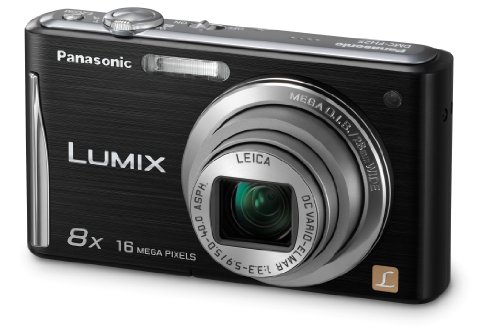
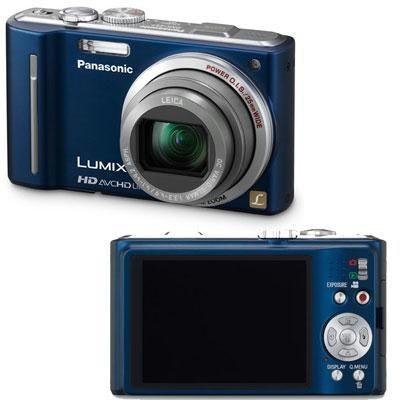
Are you thinking of buying a new digital camera? Are you confused by all the choices in camera resolution? Is the megapixel rating the most important factor you should consider in buying a digital camera? How many megapixels are enough? Is there such a thing as too many megapixels? How do megapixels and digital camera resolution compare to film camera resolution?
To put it simply, resolution is the amount of detail that your digital camera records of an image. A digital image is made up of pixels. For digital cameras, the number of pixels is measured just like your computer monitor. As digital camera resolutions have gotten higher, w will e now multiply the horizontal and vertical values for one total value, which is usually rounded out to the megapixel count. Some of the first digital cameras had resolution of 480 x 640 pixels. This is the same number of pixels in the computer monitor standard VGA. Multiplying 480 x 640 would end up with a resolution of about .3 megapixels. This was touted by the digital camera industry as photo-quality, but it is far from it. Most web cams support this resolution.
Next up in computer monitor resolution is SVGA or 600 x 800. This works out to about .5 megapixels. Still not there.
Currently, one of the most popular computer monitor settings is 1024x768. This is still less than one megapixel, it is also the resolution that we first saw consumer digital cameras at. This is also a common resolution for video projectors. The one megapixel digital cameras have a resolution of 1280 by 960. If you were to make a 4 x 6 print from an image this size, it might compare in quality to that of an old 110 camera, or APS camera.
When we reach the two megapixel mark, or resolution of 1600 x 1200, you can get a fairly nice print. This gives you a print size of 4 x 6 at not quite 300 dpi. However, when you make a photographic print much larger than 4 x 6, you'll be able to see the individual pixels or notice the lack of detail.
In a digital photographic print, 300 dots per inch is considered the standard for small prints. Some photographic printers print at less than 250 dpi. Some a little bit more than 300 dpi. While there is little bit of leeway here, digital prints at 300 dpi will appear to have the same detail that a print made from a 35mm negative would if it were printed traditionally. This is especially important for smaller print sizes that will be viewed close-up. As we go to larger print sizes, the distance the print will be viewed from is also likely to increase. From a farther distance the eye cannot see the detail, and so the print still looks good.
A 3 megapixel camera will have a resolution of about 2048 x 1536. It is still far below that of good 35mm negative. It is not till we reach a little bit over five megapixels that digital starts to compare to 35mm in detail. A 5.3 megapixel camera has a resolution of about 3008 x 1960.
A good six megapixel camera can surpass 35mm quality in detail. This works out to just about 300 dpi in an 8 x 10 print. Since 35mm has been accepted level of quality for so long, this is the resolution I recommend people start looking at for a digital camera. The six megapixel camera will provide the same level of quality (maybe a little bit better) that your old 35mm camera gave you. A 6.3 megapixel camera has a resolution of about 3088 x 2056.
What about seven and eight megapixel cameras? An eight megapixel camera approaches the quality of the professional medium format camera. It is interesting to point out that many of the seven megapixel cameras came out after the eight megapixel cameras were introduced. It has been suggested, the reason for this is because the first generation of eight megapixel point-and-shoot cameras had a problem with noise. This was caused the small sensors used in digital point-and-shoot cameras. This problem is largely overcome now, and did not apply to the larger digital single lens reflexes. While an eight megapixel camera will provide a little bit extra information in case you want to crop up in a, since few people ever make a print larger than 8 x 10, much of this extra information is wasted. I do not recommend that the average person purchase a digital camera resolution higher than eight megapixels.
Digital cameras with resolutions of 10 to 13 megapixels are well in the quality range of good 120mm professional cameras. They create huge file sizes that require significant computer resources to work with. A 13 megapixel camera will only get approximately 55 images on a 1 GB memory card in RAW format. This makes saving and archiving images more expensive and time-consuming. There are professional digital camera systems with resolutions of 20,40, and even a hundred megapixels. Only a professional would have need of images with this high a resolution.
To summarize, I suggest that almost anybody will be happy with a camera with a six megapixel resolution. If you're really on a budget you can go down as low as five megapixels and still have detailed pictures at the sizes you're most likely to have prints made. If you're an advanced shooter or hobbyist you'll enjoy the extra room that an eight megapixel camera will give you. If you're a professional, you need a camera resolution appropriate to the job at hand.
To put it simply, resolution is the amount of detail that your digital camera records of an image. A digital image is made up of pixels. For digital cameras, the number of pixels is measured just like your computer monitor. As digital camera resolutions have gotten higher, w will e now multiply the horizontal and vertical values for one total value, which is usually rounded out to the megapixel count. Some of the first digital cameras had resolution of 480 x 640 pixels. This is the same number of pixels in the computer monitor standard VGA. Multiplying 480 x 640 would end up with a resolution of about .3 megapixels. This was touted by the digital camera industry as photo-quality, but it is far from it. Most web cams support this resolution.
Next up in computer monitor resolution is SVGA or 600 x 800. This works out to about .5 megapixels. Still not there.
Currently, one of the most popular computer monitor settings is 1024x768. This is still less than one megapixel, it is also the resolution that we first saw consumer digital cameras at. This is also a common resolution for video projectors. The one megapixel digital cameras have a resolution of 1280 by 960. If you were to make a 4 x 6 print from an image this size, it might compare in quality to that of an old 110 camera, or APS camera.
When we reach the two megapixel mark, or resolution of 1600 x 1200, you can get a fairly nice print. This gives you a print size of 4 x 6 at not quite 300 dpi. However, when you make a photographic print much larger than 4 x 6, you'll be able to see the individual pixels or notice the lack of detail.
In a digital photographic print, 300 dots per inch is considered the standard for small prints. Some photographic printers print at less than 250 dpi. Some a little bit more than 300 dpi. While there is little bit of leeway here, digital prints at 300 dpi will appear to have the same detail that a print made from a 35mm negative would if it were printed traditionally. This is especially important for smaller print sizes that will be viewed close-up. As we go to larger print sizes, the distance the print will be viewed from is also likely to increase. From a farther distance the eye cannot see the detail, and so the print still looks good.
A 3 megapixel camera will have a resolution of about 2048 x 1536. It is still far below that of good 35mm negative. It is not till we reach a little bit over five megapixels that digital starts to compare to 35mm in detail. A 5.3 megapixel camera has a resolution of about 3008 x 1960.
A good six megapixel camera can surpass 35mm quality in detail. This works out to just about 300 dpi in an 8 x 10 print. Since 35mm has been accepted level of quality for so long, this is the resolution I recommend people start looking at for a digital camera. The six megapixel camera will provide the same level of quality (maybe a little bit better) that your old 35mm camera gave you. A 6.3 megapixel camera has a resolution of about 3088 x 2056.
What about seven and eight megapixel cameras? An eight megapixel camera approaches the quality of the professional medium format camera. It is interesting to point out that many of the seven megapixel cameras came out after the eight megapixel cameras were introduced. It has been suggested, the reason for this is because the first generation of eight megapixel point-and-shoot cameras had a problem with noise. This was caused the small sensors used in digital point-and-shoot cameras. This problem is largely overcome now, and did not apply to the larger digital single lens reflexes. While an eight megapixel camera will provide a little bit extra information in case you want to crop up in a, since few people ever make a print larger than 8 x 10, much of this extra information is wasted. I do not recommend that the average person purchase a digital camera resolution higher than eight megapixels.
Digital cameras with resolutions of 10 to 13 megapixels are well in the quality range of good 120mm professional cameras. They create huge file sizes that require significant computer resources to work with. A 13 megapixel camera will only get approximately 55 images on a 1 GB memory card in RAW format. This makes saving and archiving images more expensive and time-consuming. There are professional digital camera systems with resolutions of 20,40, and even a hundred megapixels. Only a professional would have need of images with this high a resolution.
To summarize, I suggest that almost anybody will be happy with a camera with a six megapixel resolution. If you're really on a budget you can go down as low as five megapixels and still have detailed pictures at the sizes you're most likely to have prints made. If you're an advanced shooter or hobbyist you'll enjoy the extra room that an eight megapixel camera will give you. If you're a professional, you need a camera resolution appropriate to the job at hand.